
Building curtain wall engineering started late in China. While it has a decades-long history in advanced developed countries, it only began in China in the early 1980s. With the continuous development of China's economic construction, building curtain walls, as a high-tech product, have advanced by leaps and bounds in China's construction industry.
Starting from aluminum alloy glass curtain walls in the early 1980s in China, along with the development of aluminum alloy hidden-frame curtain walls, aluminum plate curtain walls also emerged prominently. Used in conjunction with aluminum alloy glass curtain walls in curtain wall projects, they make China's high-rise buildings more colorful, forming beautiful curtain wall patterns with various colors and material combinations.
Curtain walls made of aluminum plates are a form of building curtain walls, mostly used for wall shielding and non-lighting walls, replacing mosaic and glazed tile sprayed exterior walls. Since high-rise building structures vibrate constantly, over time, mosaics and glazed tiles tend to fall off. However, aluminum plate curtain walls are firmly hung on aluminum alloy frames with aluminum plates, thus avoiding the above drawbacks.
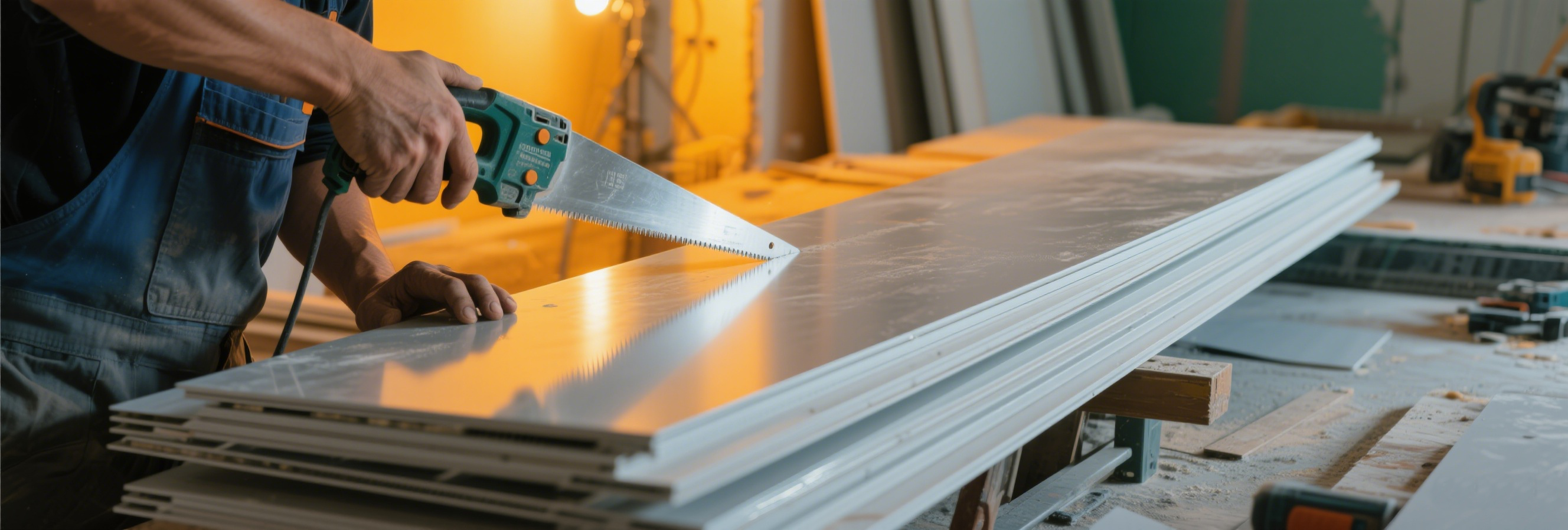
Currently, aluminum plates applicable to curtain wall engineering in China's construction market roughly include single-layer aluminum plates, composite aluminum plates, and honeycomb aluminum plates, among others. Composite aluminum plates are widely used at present.
Shandong Lehua Aluminium-Plastic Products Co., Ltd